Currently Empty: $0.00
Our Lab-Grown Diamond Collection
Lab-Grown Diamonds, end-to-end. Every size, shape, color & clarity — from Surat, India.
Our original roots are in natural diamonds, but our future and full focus is on lab-grown diamonds. Since 2017, everything we produce and supply is lab-grown — CVD and HPHT — IGI certified as standard, covering sizes from Minus Two melee to 30+ ct statement stones, in color D to I and clarity VVS to SI.
Shapes & Cuts Available at Arihant Lab Diamond
We supply lab-grown diamonds in Round Brilliant and all major fancy shapes — Oval, Pear, Marquise, Heart, Radiant, L-Cushion, S-Cushion, Princess, and Emerald. Most fancy shape production is in the 1 carat and below range.
Filter
Round Brilliant
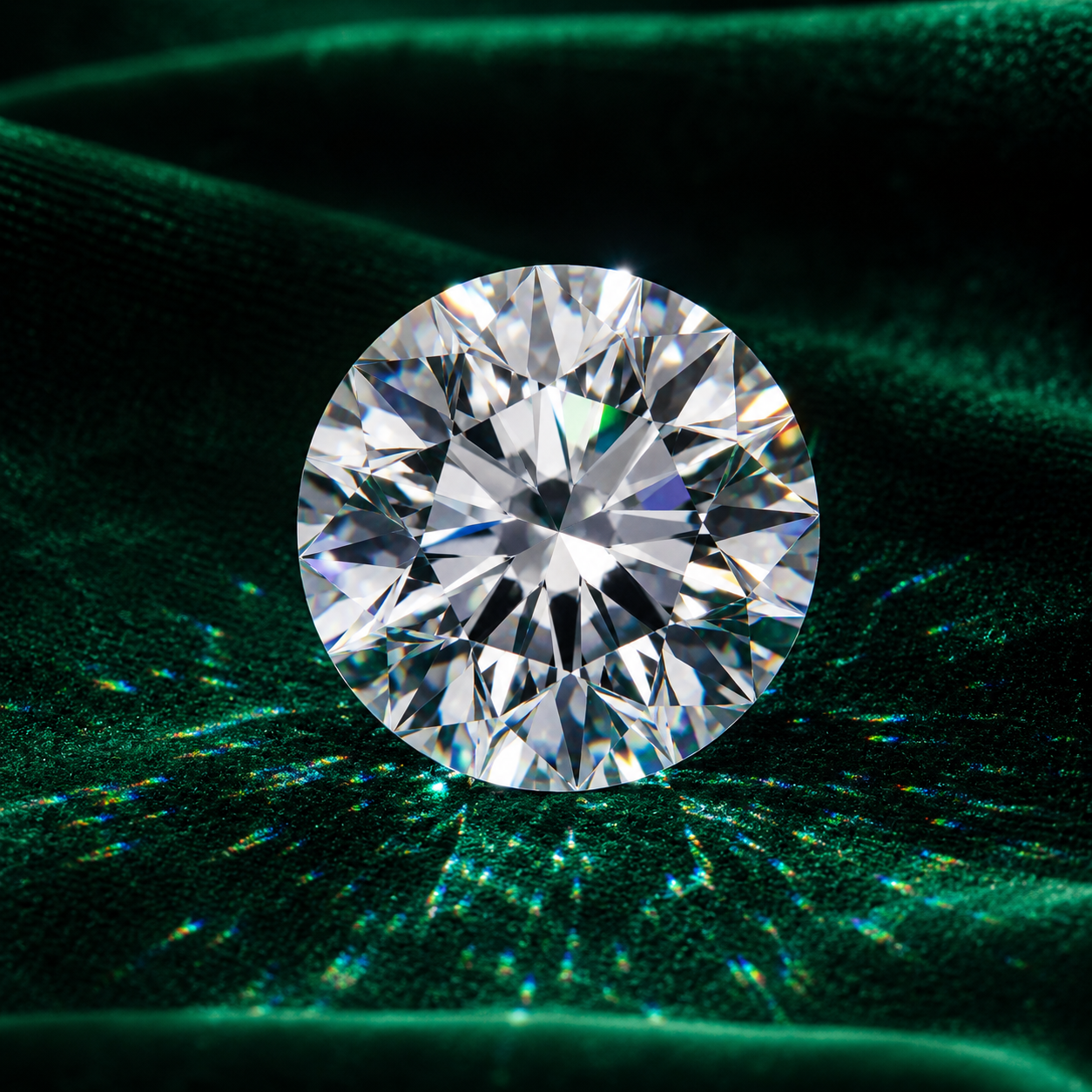
Round Brilliant Cut
0.01 ct – 30+ ct · D–I · VVS1–SI2 · CVD & HPHT
The most widely purchased lab-grown diamond shape globally. 56 facets mathematically engineered to maximise light return, brilliance, and fire.
Fancy Shape
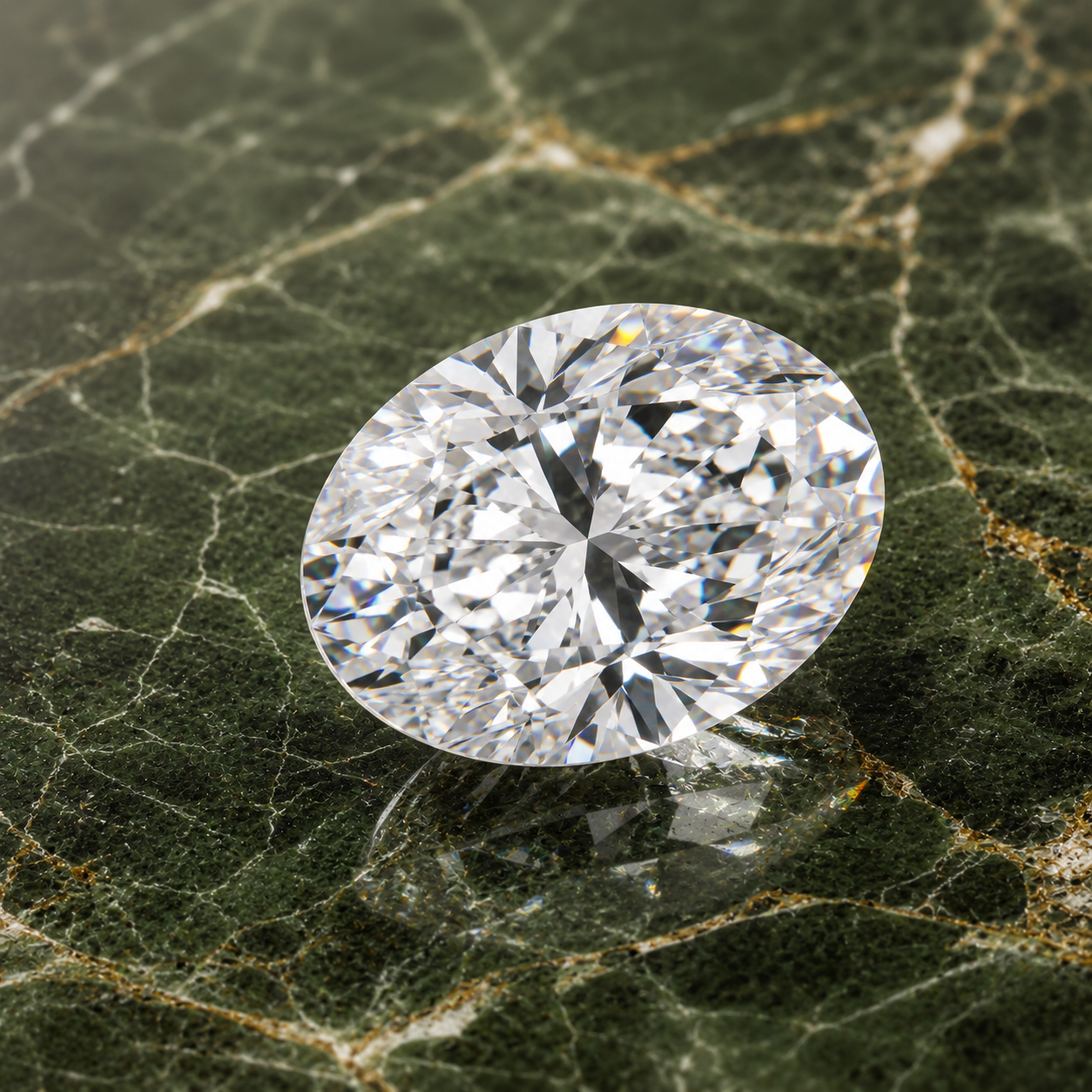
Oval Cut
0.30 ct – 10+ ct · D–I · VVS1–SI2 · CVD & HPHT
Currently one of the most popular fancy shapes globally. Elongated form makes the stone appear larger face-up than a Round of the same carat weight.
Fancy Shape
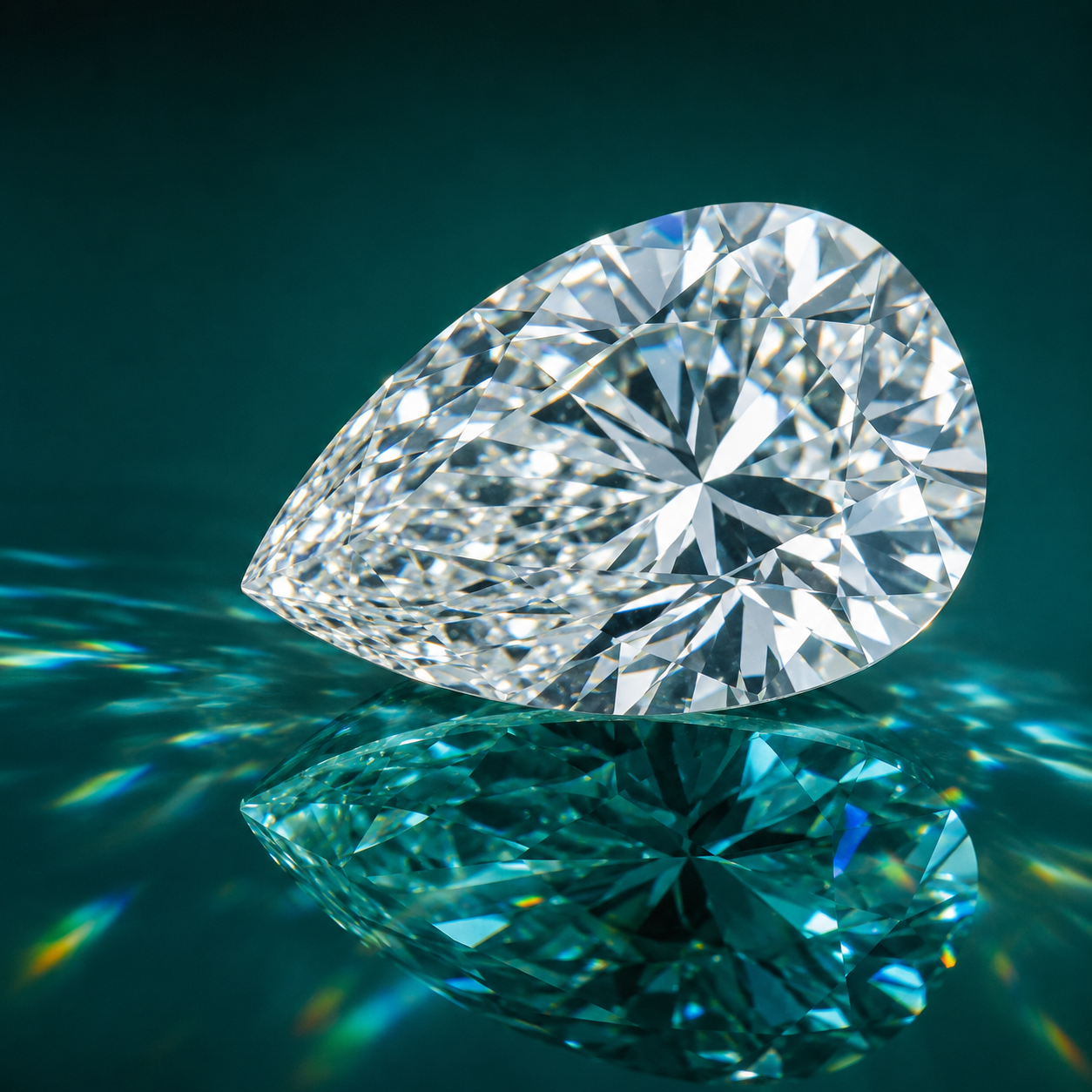
Pear Cut
0.20 ct – 5+ ct · D–I · VVS1–SI2 · CVD & HPHT
A mix of Round and Marquise. One end rounded, one end pointed — the "Teardrop." Makes the finger look slim and long. Excellent in pendants and drop earrings.
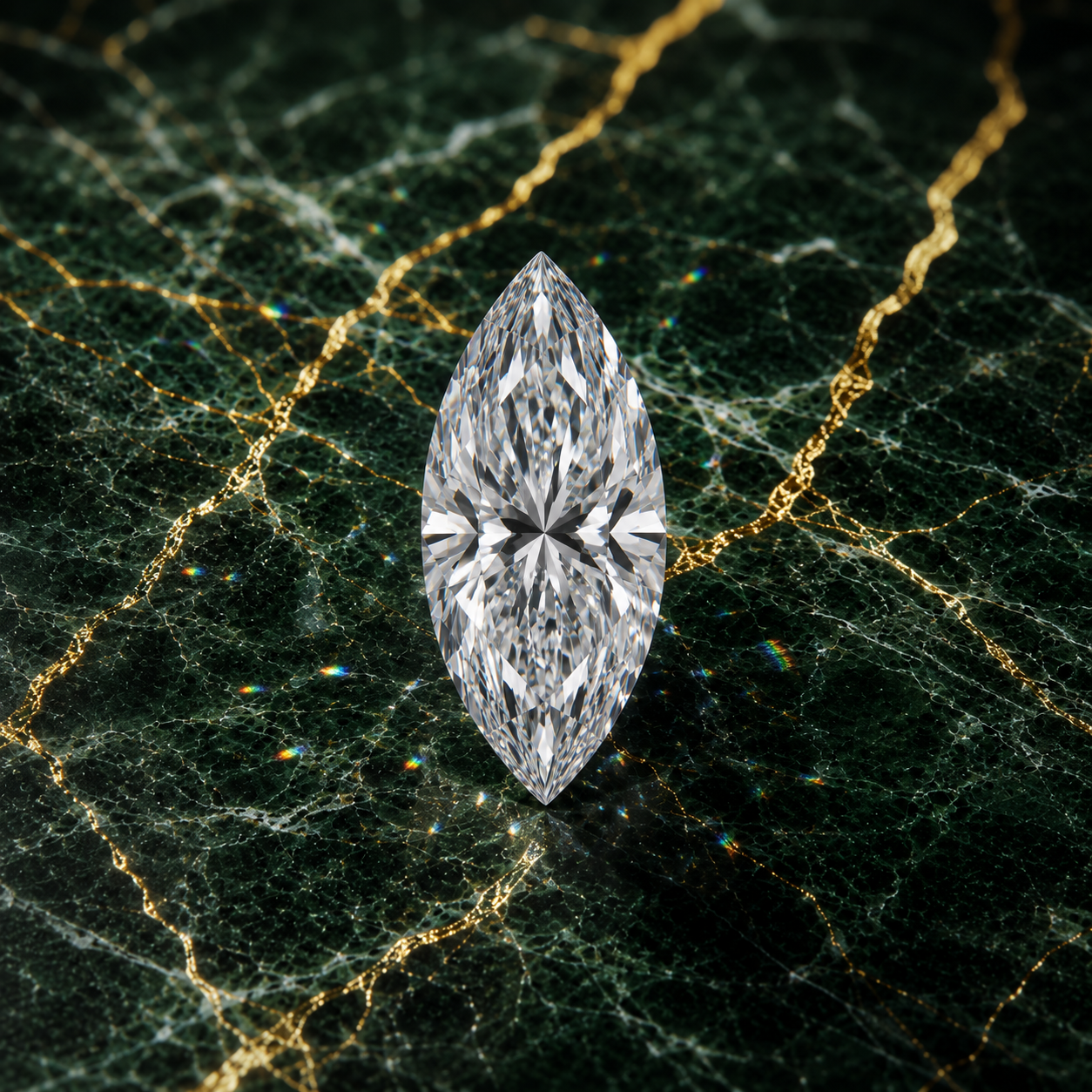
Fancy Shape
Marquise Cut
0.20 ct – 5+ ct · D–I · VVS1–SI2 · CVD & HPHT
The longest fancy shape — two pointed ends, curved sides. Highest face-up surface area per carat of any shape. A 1 ct Marquise appears significantly larger than a 1 ct Round.
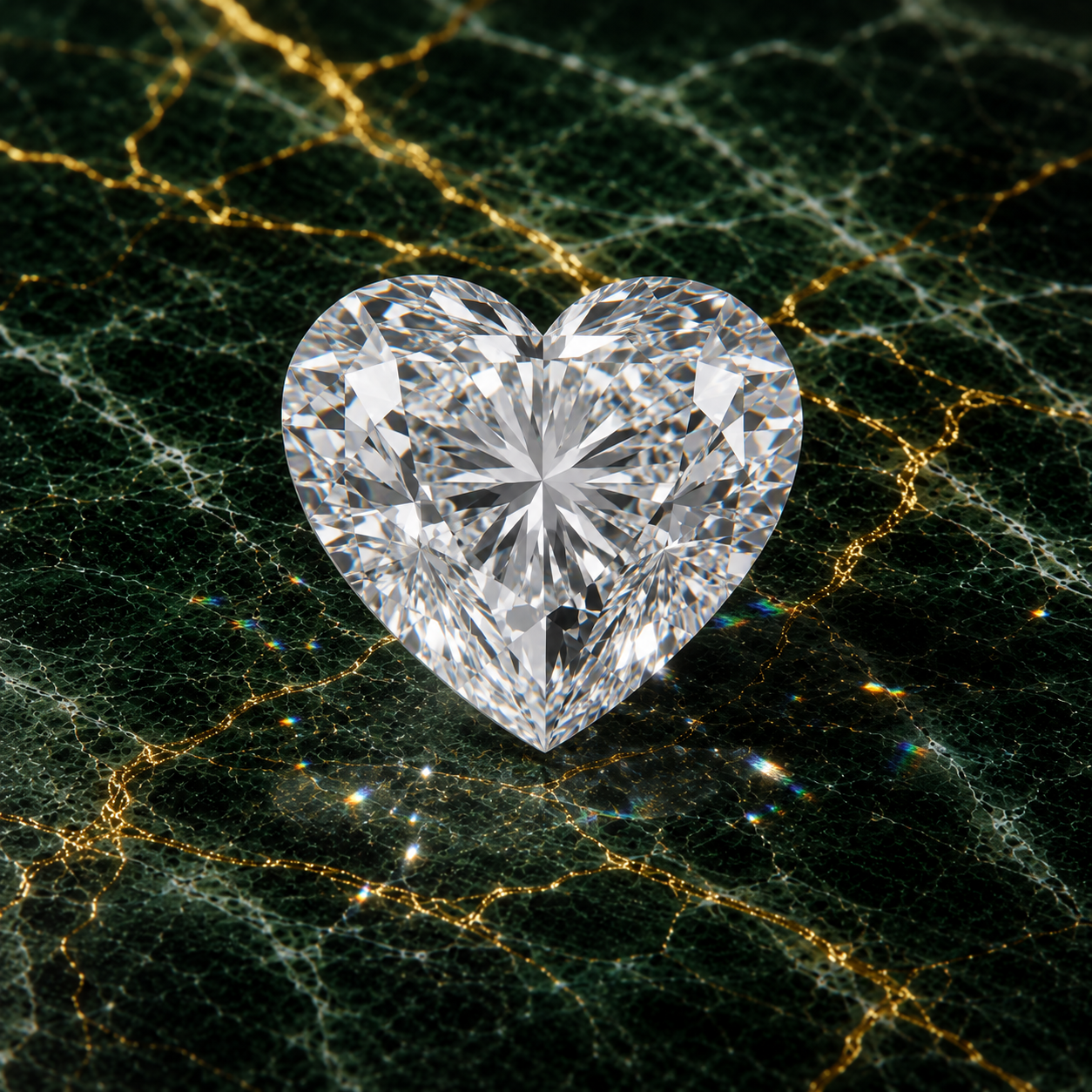
Fancy Shape
Heart Cut
0.50 ct – 5+ ct · D–I · VVS1–SI2 · CVD & HPHT
A statement cut symbolizing love and joy. Used in pendants, solitaire rings for special occasions, and Valentine's collections. Polish EX and symmetry EX are especially important.
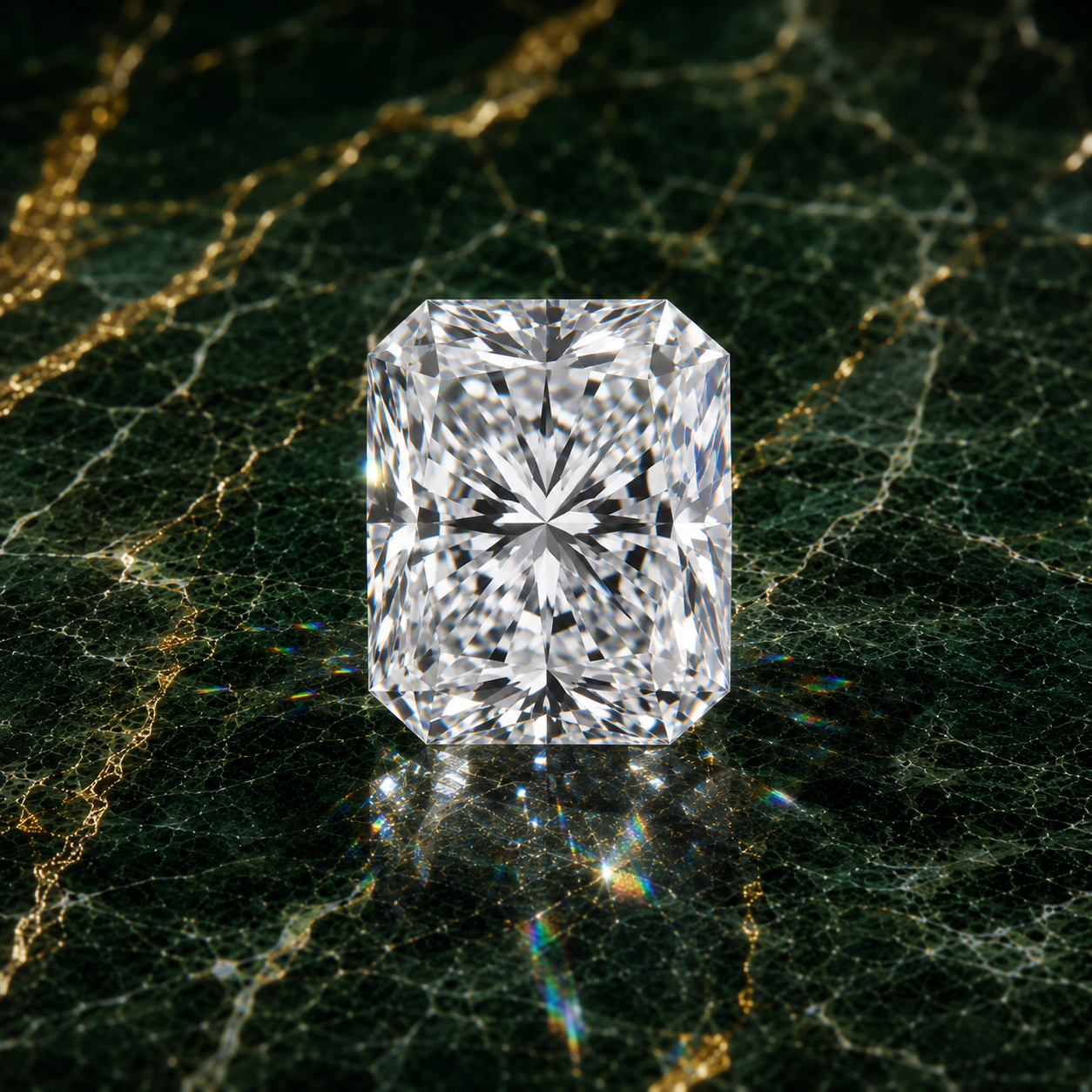
Fancy Shape
Radiant Cut
0.30 ct – 5+ ct · D–I · VVS1–SI2 · CVD & HPHT
Mixes the sparkle of a Round with the rectangular shape of an Emerald cut. Popular in solitaire rings and three-stone designs for those who want more sparkle with a modern shape.
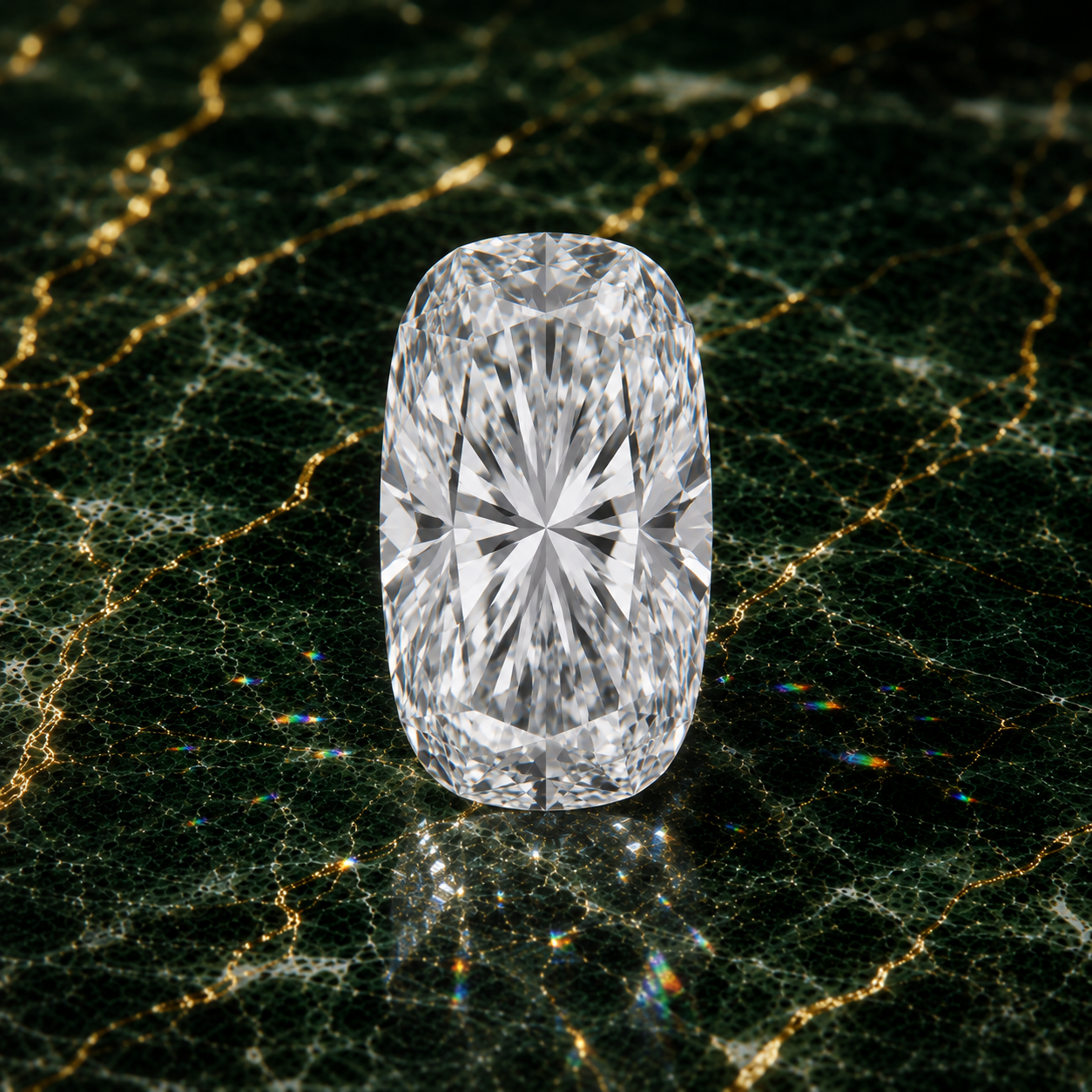
Fancy Shape
L-Cushion (Long Cushion)
0.30 ct – 5+ ct · D–I · VVS1–SI2 · CVD & HPHT
Rounded corners and a pillow-like shape with a rectangular outline. Popular in vintage-style and halo engagement rings. Strong demand growth in lab-grown diamonds.
Fancy Shape
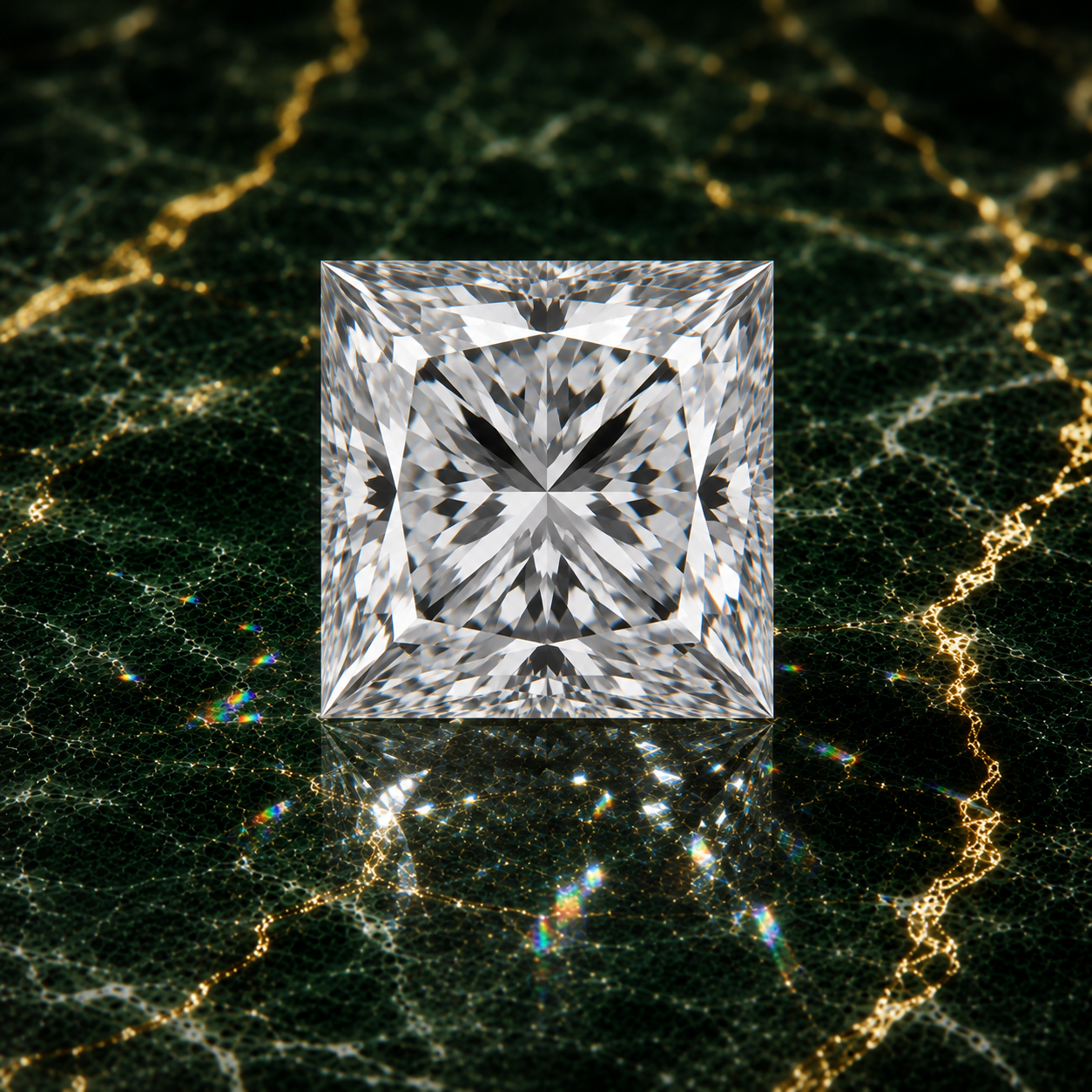
Princess Cut
0.30 ct – 5+ ct · D–I · VVS1–SI2 · CVD & HPHT
Square brilliant cut with sharp corners and strong light performance. Widely used in channel-set eternity bands, three-stone rings, and solitaire designs. V-prong or bezel settings recommended.
Fancy Shape
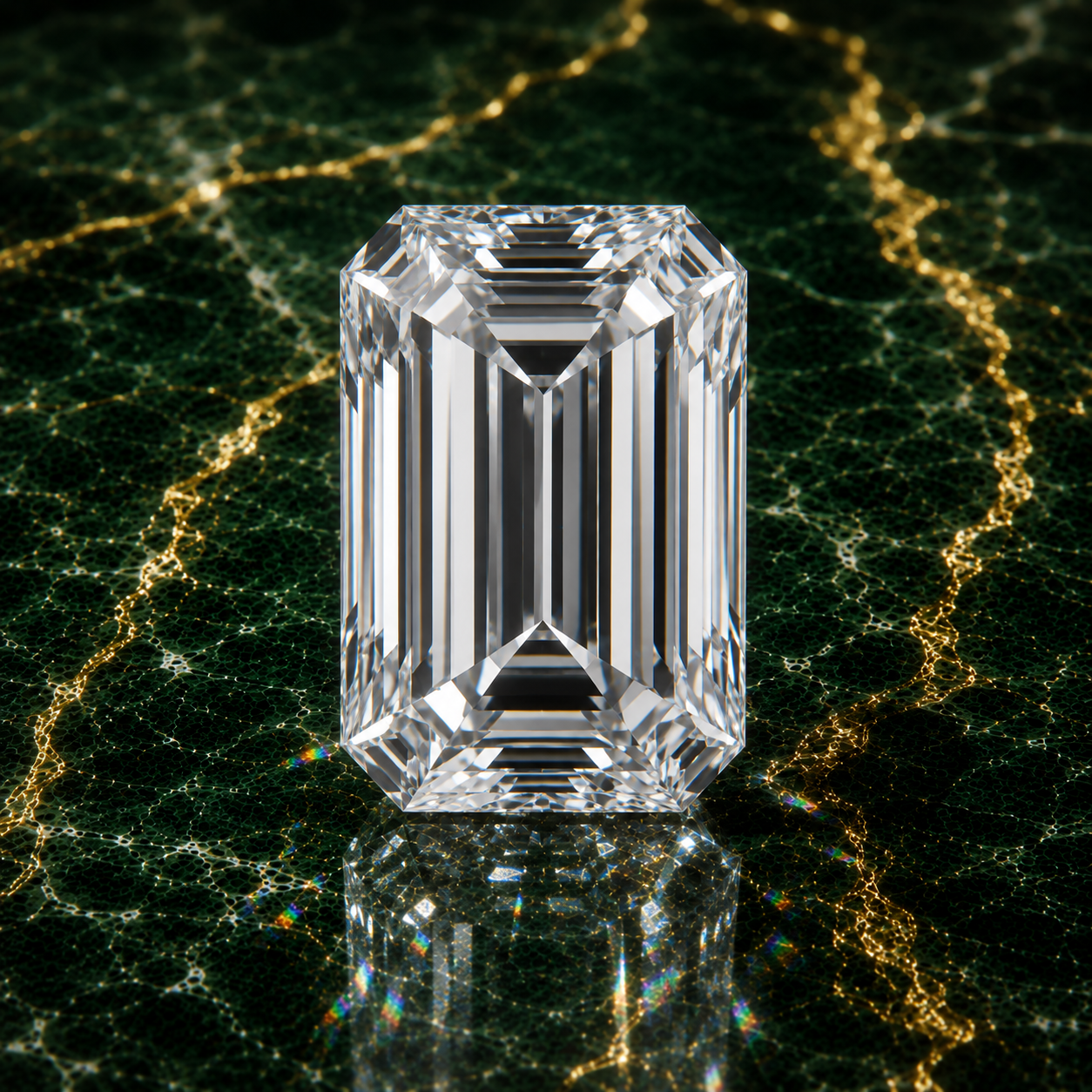
Emerald Cut
0.30 ct – 5+ ct · D–I · VVS1–SI2 · CVD & HPHT
Step-cut with long parallel facets creating a "hall of mirrors" effect. Sophisticated, understated. VS clarity and above strongly recommended as the open table shows the interior clearly.
Need a specific shape or custom specification?
Share your requirements and we'll match from our inventory or arrange production.
Lab-Grown Diamond Size Range
Our product range covers every B2B requirement — starting with Minus Two, Star, Melee, Eleven, and Fourteen for pavé and tennis jewelry, through the most active commercial pointer sizes, and extending to 30+ carat large statement stones that very few manufacturers in Surat carry in ready inventory.
Minus Two~0.0025 – 0.008 CT
The smallest lab-grown diamond category. Individual stones are nearly invisible to the naked eye, but when set together in large quantities they create a surface of consistent brilliance. Primarily used in full-coverage pavé settings, micro-pavé jewelry, and high-density surface treatments. Primary buyers are jewelry manufacturers making high-volume fashion rings, bracelets, and necklaces with full-surface settings.
Request parcel →
Star~0.009 – 0.024 CT
One of the most widely used stones in volume jewelry manufacturing. Small enough to be set in dense patterns but large enough to individually catch and reflect light. Ideal for side stone settings in engagement rings, eternity bands, pavé pendants, and earring hoops. Consistent calibration in this size is critical — buyers value Star diamonds for this reason.
Request parcel →
Melee~0.025 – 0.079 CT
The most commercially active size category in the lab-grown diamond market. Visually significant in a setting, yet small enough to be used in multiples across a wide range of jewellery styles. Used extensively in pavé-set wedding bands, halo engagement rings, eternity rings, and dense cluster settings. For a B2B buyer, Melee represents the backbone of inventory — the size that keeps production lines running without interruption.
Request parcel →
Eleven~0.08 – 0.139 CT
The base point between melee and pointer stones. Noticeably present in a setting, often used where a slightly larger side stone is needed without moving into the pointer range. Common in entry-level tennis bracelets, three-stone ring side stones, cluster earring settings, and pavé centre-row highlights. Particularly useful for jewelry brands building modular collections where the same stone size is used consistently across multiple SKUs.
Request parcel →
Fourteen~0.14 – 0.179 CT
Sits at the upper boundary of the pointer range — more than enough to stand out individually, yet still used in multi-stone settings. Commonly used as accent stones in larger ring designs, halo stones around 1 ct+ center stones, and statement earring and pendant clusters. A popular choice for mid-range price point tennis bracelets where a slightly more substantial stone size is preferred. At this size, each stone is visible enough that inconsistency is noticeable in the finished piece.
Request parcel →
Pointer Range0.18 ct · 0.23 ct · 0.30 ct · 0.50 ct · 0.70 ct
Where individual stone quality begins to matter as much as calibration. The 0.18 ct and 0.23 ct are widely used as side stones in bridal jewellery. The 0.30 ct is a popular entry-level solitaire and common side stone in three-stone rings. The 0.50 ct sits at a commercially significant price point — large enough to be a center stone in everyday fine jewellery. The 0.70 ct is frequently chosen for solitaire rings targeting a near-carat look without the full carat price.
Request parcel →
Single Carat & Above1.00 – 9.00 CT
From 1 carat onwards, lab-grown diamonds move into the center stone category. Buyers in this range are typically fine jewellery brands, high-end wholesalers, and retailers serving engagement ring customers. At 1 to 3 ct, demand is strong — the most searched sizes for lab-grown diamond engagement rings in USA, UK, and Australia. From 4 ct to 9 ct, the buyer profile shifts toward premium brands and collectors. IGI certification becomes essentially mandatory — buyers expect a graded report confirming the 4Cs, lab-grown origin, and CVD or HPHT production method.
Request parcel →
Large Stones10 – 30+ CT
Large lab-grown diamonds above 10 carats occupy a rare and specialist segment. Very few manufacturers in Surat carry these sizes in ready-to-order inventory with consistent quality and IGI certification. Buyers include luxury jewellery brands building one-of-a-kind or limited-edition pieces, high-net-worth individuals, and collector-focused inventory. At 10 to 30+ carats, each stone is unique and commands individual attention from rough selection through the full production process. Key factors for buyers in this range: transparency in the production process, confidence in the grading, and a supplier who understands that at this level, a single stone represents a significant investment.
Request parcel →Need a specific size or matched parcel?
Share your carat, shape, color, clarity and quantity — we'll confirm availability within 24 hours.
Color Options — D to I
We supply lab-grown diamonds in the full commercial color range, from D (the highest colorless grade) to I, and fancy colors on order. Match the right stone to the right product and price point without sourcing from multiple suppliers.
Not every buyer needs the same color grade. Not every jewel requires the same whiteness. Here is how each color range works in practice across different jewelry types and markets.
Colorless — "Full White"
DEF
D, E, and F are the top three grades — collectively called colorless. DEF lab-grown diamonds have no visible color. Pure, watery, icy white. Nearly impossible to distinguish between D, E, and F without advanced grading training.
Best for: High-end solitaire engagement rings, large center stones (1 ct+), premium brand collections. White metal settings like platinum and white gold enhance the colorless appearance. Popular in USA and European markets where buyers carefully review IGI reports before purchase.
Near Colorless — "Clean White"
GH
G and H are still considered colorless by IGI and GIA standards. To the average consumer looking at finished jewelry, a G or H lab-grown diamond appears white. GH is slightly off-white compared to DEF.
Best for: Tennis bracelets, tennis necklaces, eternity bands, halo rings, pendant necklaces, and everyday fine jewelry. The most commercially viable color range for a wide variety of B2B buyers. Visual result is clean and bright. Price is meaningfully more accessible than DEF — direct improvement in margin without compromises the end consumer will notice.
Near Colorless with Warmth — "Warm White"
IJ
I and J lab-grown diamonds are still classified in the colorless to near-colorless range on the grading scale, though most noticeably in larger stones set in white metal under direct light. In smaller sizes, any warmth is far less visible, and in yellow or rose gold settings, it blends naturally with the metal tone.
Best for: Budget-focused product lines, volume jewellery manufacturing, price-sensitive markets. Indian and Middle Eastern markets where yellow gold is widely preferred are natural fits for IJ color sourcing. Melee and pointer range stones in IJ are widely used in high-volume manufacturing where per-stone cost control is a priority.
Quick Reference — Color by Product Type
| Product Type | Recommended Color | Recommended Clarity |
|---|---|---|
| Premium solitaire engagement ring (2 ct+) | DEF | VVS / VS |
| Mid-range engagement ring (0.50–2 ct) | DEF / GH | VS |
| Tennis bracelet / necklace (premium) | GH | VS |
| Tennis bracelet / necklace (mid-range) | GH / IJ | SI1 |
| Halo / pavé ring | GH | VS / SI1 |
| Eternity band | GH | VS / SI1 |
| Pendant / stud (fine jewellery) | GH | VS |
| Volume / fashion jewellery | HI | SI1 / SI2 |
| Yellow / rose gold jewellery | HI | SI1 / SI2 |
| Melee & pointer parcels (mass production) | GH / IJ | SI1 / SI2 |
Not sure which color is right for your product?
Share your jewelry type and target market — we'll recommend the best color-clarity combination.
Clarity — VVS to SI
The clarity of a lab-grown diamond indicates how clean the stone is internally and externally — the presence of inclusions, their size, location, and reflective visibility. At Arihant Lab Diamond, we supply in VVS, VS, and SI clarity grades — a complete range that covers every B2B requirement from luxury to volume.
The most important thing for your end customer is not what the grading report says, but whether the lab-grown diamond looks clean to the eye in the finished piece. This is the practical standard we apply when selecting every parcel.
Very Very Slightly Included — "Near Perfect"
VVS1 / VVS2
VVS lab-grown diamonds have inclusions so subtle that even a trained gemologist with a 10x loupe has difficulty detecting them. In a finished jewelry setting, a VVS stone is identical to a flawless stone to the naked eye.
The difference between VVS1 and VVS2 is the size and position of the inclusions — VVS1 is slightly cleaner. Both are considered premium clarity grades.
Best for: Large solitaire stones (1 ct+), high-end engagement rings, luxury brand collections. In markets like USA, UK, and Australia where buyers closely review IGI reports, VVS combined with DEF color presents the strongest possible premium specification.
Very Slightly Included — "Eye-Clean, Best Value"
VS1 / VS2
VS clarity inclusions are visible under a 10x loupe but not to the naked eye under normal viewing conditions. In a finished jewelry setting, a VS stone appears completely clear.
VS combines the visual appearance of a nearly flawless stone with a significantly more affordable price than VVS. Many experienced jewelry buyers specifically choose VS because they understand it can scale their margin — they can show customers the visual result and the price difference compared to VVS.
Best for: Engagement rings from 0.30 ct to 5 ct, tennis jewelry, halo settings, and premium everyday wear pieces.
Slightly Included — "Smart Choice for Volume"
SI1 / SI2
SI clarity inclusions are visible under a 10x loupe and can be seen with the naked eye in both SI1 and SI2 at larger sizes. However, in smaller stones (melee, pointer, eleven, fourteen), inclusions are naturally less noticeable because the stone itself is smaller.
SI is a practical choice for bulk jewelry production, budget-friendly product lines, small stone parcels, and yellow/rose gold pieces where the setting and design carry visual weight.
Important note: Not all SI stones are created equal. SI1 is generally the safest grade — most SI1 stones in small sizes are eye-clear in finished settings. SI2 requires more careful selection. At Arihant Lab Diamond, we select SI parcels with the finished jewelry in mind.
Need matched clarity for a specific jewelry line?
Share your production requirement and we'll supply matched parcels to your exact clarity specification.
Certification — IGI as Standard
A lab-grown diamond with an IGI certificate is a documented, independently verified asset you can sell with confidence. At Arihant Lab Diamond, every stone we supply is available with an IGI certificate as standard — included in the price of the stone, not an add-on or upgrade.
In today's B2B market, the certificate is as important as the stone. IGI certification is how your buyers verify what they are purchasing, how your end customers gain confidence, and how your export shipments clear customs without delays or disputes.
IGI
Our Standard — Included with Every Stone
IGI (International Gemological Institute) is the world's leading certification body for lab-grown diamonds. They were the first major laboratory to develop a dedicated grading framework specifically for lab-grown stones, and today their reports are the most recognised and accepted standard in the USA, Canada, UAE, UK, Australia, Belgium, and India.
Each IGI report documents: the 4Cs (Cut, Color, Clarity, Carat Weight) independently graded · Growth Technology (CVD or HPHT) declared on the face of the certificate · Laser Inscription (IGI Report Number laser-marked on the stone's girdle for physical verification) · Stone Identification (plotted diagram showing size, proportion, fluorescence, and inclusion status).
Every stone you receive from us can be independently verified, accurately described to your end customer, and backed by a document that has global credibility.
GIA
Available on Request
GIA (Gemological Institute of America) carries the highest international brand recognition in the lab-grown and natural diamond trade — especially among premium buyers, investors, and high-end retail customers in the USA and Europe who are familiar with GIA from the natural diamond world.
GIA certification typically carries a 12–18% premium over IGI for equivalent stones. This reflects brand positioning rather than any meaningful difference in grading accuracy for lab-grown diamonds.
Best for: Buyers targeting the luxury segment or serving clients who specifically ask for GIA by name. If this is your requirement, we can accommodate it on request.
SGL
Available on Request
SGL (Solitaire Gemmological Laboratories) is an India-based grading laboratory, widely recognised and trusted in the domestic and international market.
SGL-certified stones typically cost 2–5% less than equivalent IGI-certified lab-grown diamonds. This makes SGL a practical choice for value-focused product lines or price-sensitive bulk orders where the end customer is not specifically requesting an internationally recognised grading body.
Best for: Domestic India market, price-sensitive bulk orders, and buyers where per-stone cost is the primary concern and brand recognition of the grading lab is secondary.
One thing stays the same across all certifications: IGI certifies CVD and HPHT identically. The technology is disclosed on the report. So your buyer knows exactly what they are getting — and so does their end customer.
Have a specific certification requirement?
IGI is standard on all our stones. GIA and SGL available on request — let us know your requirement.
Growth Technology — CVD & HPHT
At Arihant Lab Diamond, we don't grow rough lab-grown diamonds in-house. We source high-quality CVD and HPHT rough from trusted manufacturers. We have complete control over everything that comes after the rough: planning on a Sarin machine, sawing, 4P processing, polishing, grading, and IGI certification — all at our Surat facility.
For a B2B buyer, what matters most is this: you are buying a finished, graded stone that meets your exact specifications. Our job is to make sure it does — regardless of which growth technology produced the rough.
Chemical Vapour Deposition
CVD
In CVD, lab-grown diamond seeds are placed in a vacuum chamber where a carbon-rich gas is created under specific temperature and microwave energy conditions. Carbon atoms deposit layer by layer on the seeds, gradually forming diamond crystals. No metal catalysts are used, resulting in very clean, consistent stones with strong DEF color range.
CVD is best suited for:
· 0.30 ct and above — pointers, single carats, and larger stones
· DEF color, VVS–VS clarity requirements
· Engagement ring center stones, premium bridal jewelry
· Buyers in USA, UK, Australia, and Europe where IGI reports are carefully reviewed
· Brands and wholesalers requiring parcel consistency in medium to large sizes
High Pressure, High Temperature
HPHT
In HPHT, extreme pressure and heat are applied to carbon, mimicking the natural conditions found deep within the Earth. A metal catalyst is applied to carbon, causing it to crystallize into lab-grown diamonds around the seed. Particularly suitable for small stone production.
In the Surat market reality, HPHT is the dominant technology for smaller sizes — minus two, star, melee, eleven, fourteen, and stones up to 0.30 carats. HPHT rough is more widely grown, more readily available, and most actively traded in these size ranges.
HPHT is best suited for:
· Under 0.18 ct — minus two, star, melee, eleven, fourteen sizes
· 0.18 ct to 0.30 ct pointer range
· High-volume small stone parcels for tennis, pavé, eternity, cluster jewelry
· GHI color, VS–SI clarity for value-focused product lines
· Buyers sourcing large quantities of small, calibrated stones at competitive prices
Technology by Size Range — Quick Reference
| Size Range | Dominant Technology | Typical Use |
|---|---|---|
| Below 0.18 ct (Minus Two to Fourteen) | HPHT | Pavé, tennis, cluster, eternity |
| 0.18 ct – 0.30 ct (Main Pointers) | HPHT (mostly) | Side stones, tennis, small solitaires |
| 0.30 ct – 1 ct | CVD / HPHT both | Side stones, budget solitaires |
| 1 ct and above | CVD (primary) | Center stones, engagement rings, large pieces |
| 2 ct+ large stones | CVD | Premium solitaires, luxury pieces |
| Fancy colored (yellow, blue, pink) | CVD | Statement pieces, colored collections |
CVD or HPHT — we supply both.
Share your size and specification and we'll confirm the right technology and availability for your order.
How to Order — Getting Started
Getting started with Arihant Lab Diamond is straightforward. We work with wholesalers, jewelry brands, and retailers — whether you are placing your first trial order or managing recurring supply. Here's how our ordering works.
Supply Type 01
Bulk Supply
For large quantities in a specific size, colour, and clarity range — melee, pointer, or single stones. Supplied directly from our Surat facility. Ideal for jewellery manufacturers who need consistent stock without sourcing from multiple suppliers. Share the specification and we confirm availability with full specification and pricing.
Supply Type 02
Matched Parcels
For jewellery production where visual consistency is critical — tennis bracelets, eternity bands, pavé settings, and halo rings. We supply matched parcels where each stone is calibrated to the same size, colour grade, and clarity grade. This eliminates sorting work on your part and ensures that every piece of goods looks consistent.
Supply Type 03
Recurring Monthly Supply
For buyers who need a steady, predictable supply rather than a one-time purchase. Define your monthly requirements — size range, color, clarity, and quantity — and we maintain priority allocation for your orders in our production cycle. Works especially well for established brands and manufacturers running continuous production lines who cannot afford stock gaps.
Frequently Asked Questions
What sizes do you keep ready in stock?
We maintain a mostly consistent stock of Melee, Eleven, Fourteen, Pointer range (0.18 ct to 0.70 ct), and stone sizes from 1 ct to 5 ct. For stones over 5 ct, availability is shared based on current inventory or upon request. If you need a specific size urgently, contact us directly and we will confirm availability within 24 hours.
Can you match lab-grown diamonds for my specific jewellery design?
Yes. Share the stone size, shape, color, clarity, and quantity required for your design and we will match stones from our inventory to your exact specifications. This is especially useful for tennis bracelets, eternity bands, halo rings, and pavé jewelry where each stone needs to look consistent. We handle the matching so your production team can start straight away without additional sorting.
Do you supply uncertified as well as certified stones?
Yes, we supply both. IGI certification is our standard for single stones, particularly 1 ct and above. For melee and small parcel supplies (minus two, star, melee, eleven, fourteen), stones are typically supplied as calibrated parcels without individual certificates — which is standard practice for these sizes across the industry. If your requirement is for certified melee or certified small stones for a specific market or product, please let us know and we will discuss the best option for your order.
What is the minimum order quantity?
We keep our minimum order requirements practical and flexible. We understand that every new buyer needs to verify quality before committing to volume, and a long-term buyer needs flexibility when requirements change. Contact us with your specific requirement and we will discuss what works for your situation.
How do I get started?
Use our RFQ form or email us directly with your requirement — carat, color, clarity, shape, technology preference, certification, and quantity. A spec sheet works best. We will respond within 24 hours with availability and pricing. For urgent requirements, WhatsApp is the fastest way to reach us.
Ready to place your first order?
Share your requirement and we'll respond within 24 hours with availability, specifications, and pricing.